Client: Municipality of District 12, Tehran
Executor: “Tehran Number by Number” Study Group
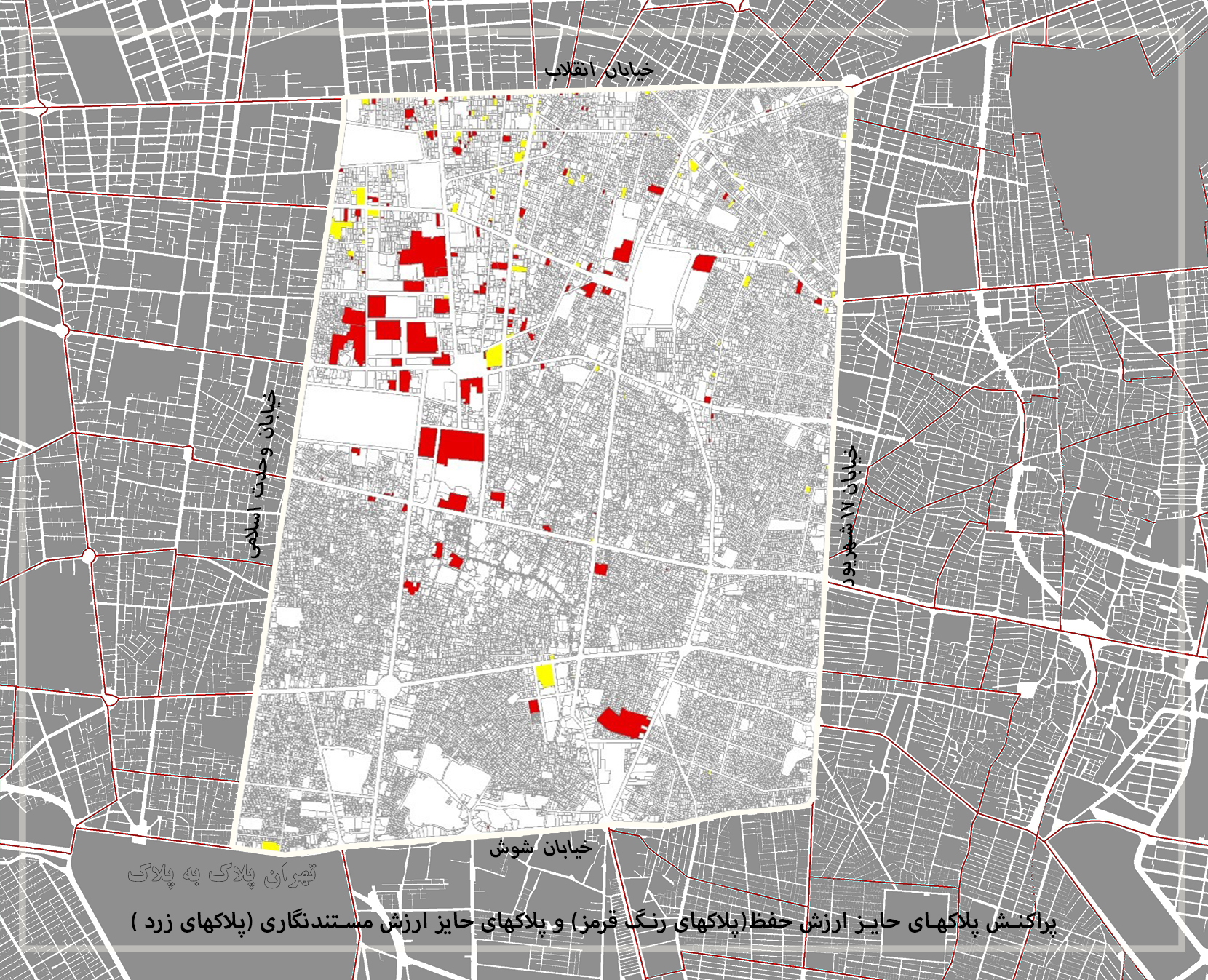
This research aims to identify the components of modern architecture and establish a comprehensive and dynamic database. It also seeks to raise awareness and encourage deeper reading as a step toward recognizing and preserving contemporary architectural heritage, which—like many other valuable elements in urbanism and architecture—is gradually disappearing, especially in this historically significant district of Tehran.
The study provides a comparative analysis of architectural styles based on general criteria of elements and components across different periods of a building’s lifecycle, with emphasis on the Pahlavi era. During this period, new social functions emerged, many of which were unknown in the Qajar era. Modern architecture became the dominant framework to meet these diverse needs.
District 12, known as the “Historic Heart of Tehran,” contains neighborhoods from the Safavid era, historic buildings, and valuable modern architectural heritage, making it the “Museum of Tehran’s Architecture.” Beyond its physical values, modern architecture here narrates the transformation of Iranian lifestyle at the beginning of the 20th century (Solar Hijri calendar).
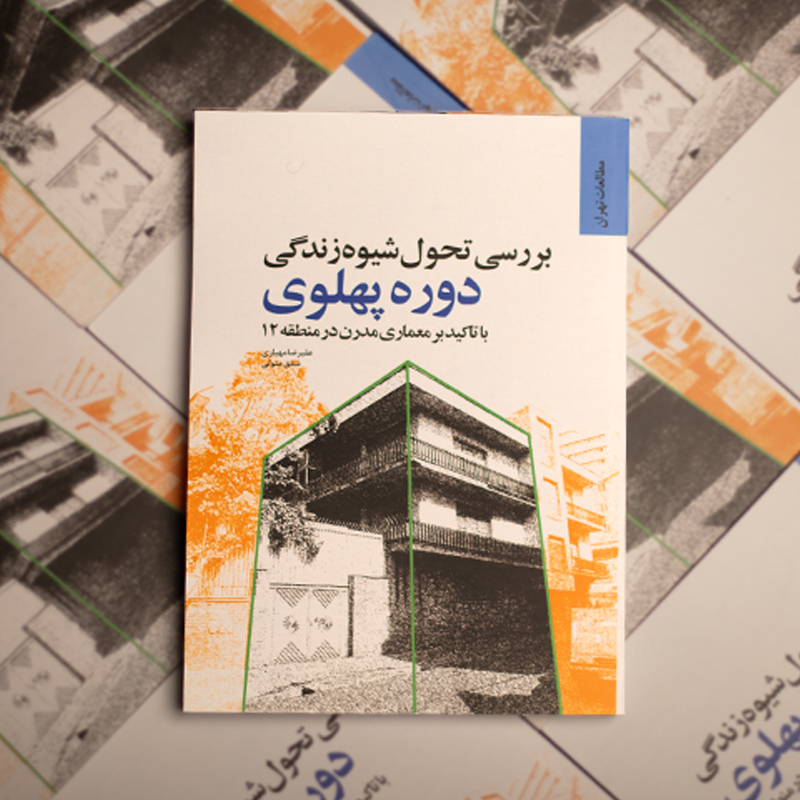
The research report was published as a book titled “Examining the Transformation of Lifestyle in the Pahlavi Era, with Emphasis on Modern Architecture in District 12” by Alireza Mahyari and Shafagh Motavalli, through the Center for Studies and Planning of Tehran Municipality.
To purchase the book, visit this link.
💬 نظرات کاربران
📝 افزودن نظر جدید